Ruling paves way for Europe sales ban on Sunwoda batteries
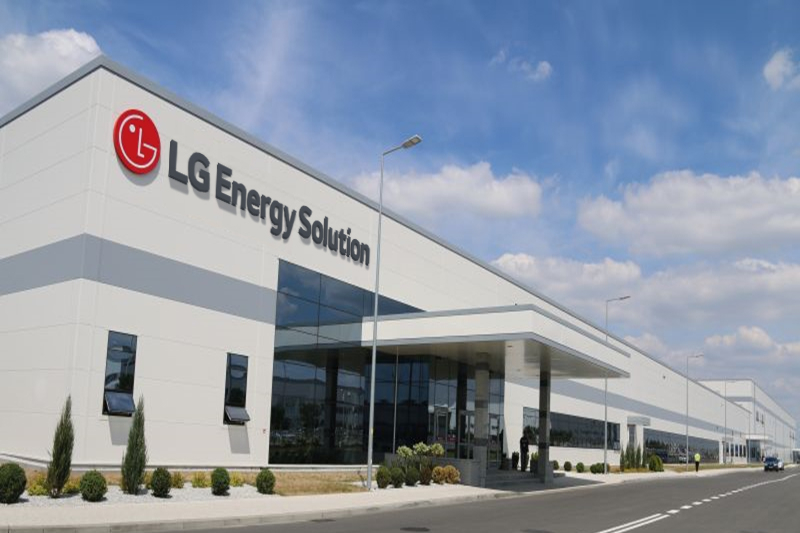
LG Energy Solution has won a patent infringement lawsuit in Germany against China’s Sunwoda Group, potentially banning the sale of the Chinese company’s infringing electric vehicle battery cells in the region.
According to Tulip Innovation — a patent management firm representing LG Energy Solution and Panasonic — on Thursday, the Munich District Court recently ruled that Sunwonda’s lithium-ion prismatic batteries used in the Dacia Spring EV infringe LG Energy Solution’s patent on the “electrode assembly structure.”
This technology utilizes coated separators to create an integrated electrode assembly, ensuring the durability and cohesion of stacked electrode layers, with an emphasis on improving the safety and electrical performance of EV batteries.
LG Energy Solution said this technology is widely used in the prismatic battery sector, an area where Chinese companies heavily focus on developing high-performance, high-capacity batteries for electric cars and energy storage systems.
Should Sunwoda choose not to appeal the rulings, the company will be immediately prohibited from selling the batteries in question, required to recall the products and forced to pay damages to LG Energy Solution through Tulip.
This case marks the Korean battery-maker’s third victory against Sunwoda, following two injunctions in May concerning patents related to separator SRS coating, which led to the first sales ban in the German EV market.
Even if Sunwoda appeals, industry insiders view that the superior court is unlikely to rule in their favor unless there is clear evidence contradicting LG’s claims.
“As it is almost impossible for Korean battery manufacturers to win a patent lawsuit in China, they tend to bring the case to countries where they sell their products,” said a source familiar with the matter on condition of anonymity.
“While Europe is known for delivering fair rulings on patent infringement compared to China, LG’s victory is meaningful as it not only proves the originality of their technology but also sets a precedent, which will significantly favor LG in similar future cases.”
Chinese battery-makers’ illegal use of their global rivals’ technological advancements is primarily driven by their aggressive expansion into Europe, the second-largest EV market, due to their oversupply crisis in the domestic market and tariff hurdles to penetrate the US.
LG Energy Solution noted, “We are taking a firm stance against the prevalent ‘patent free riding’ in the industry. The company is committed to pursuing legal action and issuing warnings against unauthorized patent use, while also leading a fair, competitive environment by contributing to establishing a global battery patent licensing market.”
The company’s strong commitment to enforcing its patent rights comes after a growing number of competitors have breached its technologies, spanning from small IT device batteries to medium and large EV cell products.
Last year, LG Energy Solution’s parent company, LG Chem, also filed a lawsuit in South Korea against China's Ronbay Technology for patent infringement. Ronbay is accused of using LG Chem’s technologies, which include enhancing the capacity of high-nickel cathode materials for EV batteries.
Founded in 1997, Sunwoda specializes in lithium-ion batteries for EVs and ESS. According to SNE Research, it ranked No. 10 globally in market share last year. The company supplies batteries to major automakers, including Geely Auto, Renault Group, Nissan and Dongfeng Motor.
hyejin2@heraldcorp.com